

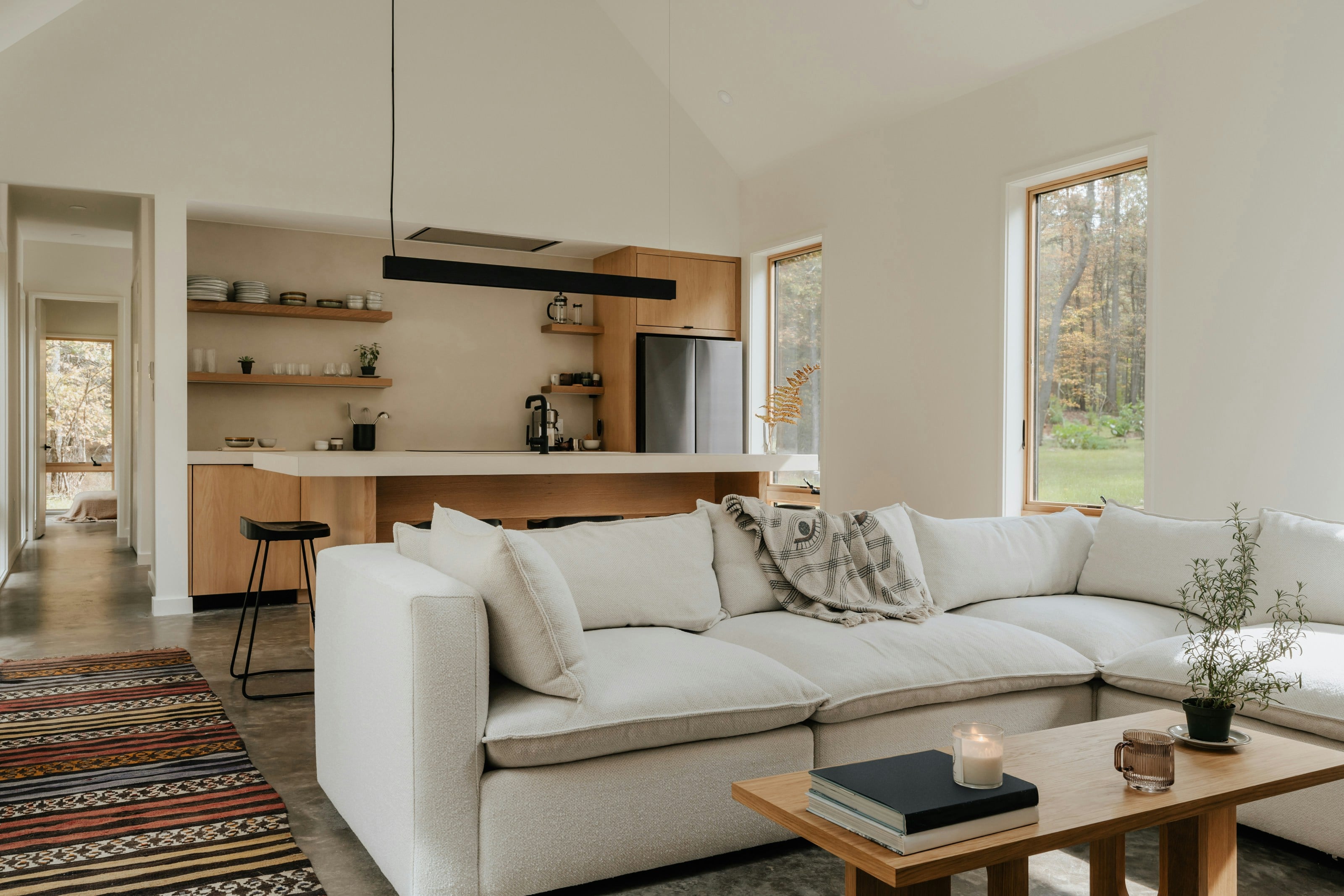
The quick answer is to look for signals that reveal how the home functions in real life. Photos are useful, but they only tell part of the story. Many buyers have walked into a home expecting one experience based on pictures and discovered something entirely different once they arrived. The goal is to understand what photos hide, what they highlight, and what you can learn by looking deeper.
The first clue often comes from the layout. Photos show rooms, but they rarely show how those rooms connect. Understanding how the home flows matters because daily routines depend on movement, not isolated spaces. Sometimes a beautiful photo of a living room does not reveal that it connects awkwardly to the hallway or that the kitchen entrance feels tight. Evaluating how you would move through the home helps you see whether it fits your lifestyle.
Lighting is another factor. Natural light in photos can be enhanced, edited, or timed just right. When evaluating a home, think about the direction the windows face, the shadows cast during different times of the day, and how much light actually reaches the main living spaces. Light affects mood, comfort, and overall appeal, and it is something photos cannot always communicate accurately.
Sound is a detail buyers often forget to consider. Pictures cannot tell you whether the home sits near a busy street, a loud air conditioning unit, or a high traffic corner. Paying attention to the surroundings, the neighborhood rhythm, and the ambient noise can reveal a lot about how comfortable the home will feel during daily life.
Space perception also matters. Wide angle photos can make rooms look much larger than they truly are. When evaluating a home, imagine where your furniture would sit, how you would use the space, and whether the room sizes match what you need. Photos can highlight beauty, but they can easily hide scale.
Another valuable step is paying attention to maintenance clues. Even without addressing real estate specifics, buyers can still notice signs of wear and tear that photos might gloss over. Seeing how well the home is cared for can offer insight into the overall experience of living there.
The best evaluations come from combining photos with real world details. When buyers look beyond the images and focus on the things that shape daily living, they get a clearer sense of whether the home is truly the right fit. A thoughtful, observant approach helps buyers make choices based on reality rather than impressions, leading to decisions that feel more satisfying in the long run.